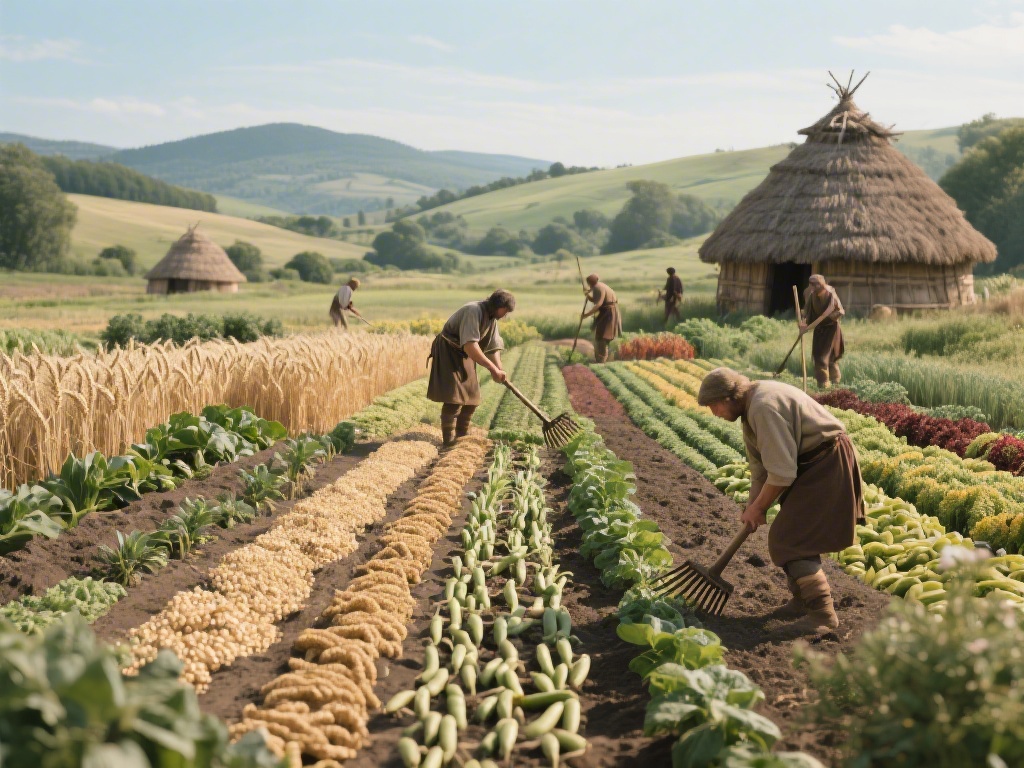
Introduction to Dark Ages Farming Techniques
The Dark Ages, a period often shrouded in mystery and misconception, was a time when farming techniques played a crucial role in the survival and development of societies. In this blog post, we'll delve into the fascinating methods used during this era, shedding light on the agricultural practices that shaped the historical backdrop of the Dark Ages.
Manual Labor and Crop Rotation
One of the defining characteristics of Dark Ages farming techniques was the reliance on manual labor. Unlike modern farming methods that often involve machinery, the people of the Dark Ages had to rely on their hands and backs to cultivate the land. This meant long hours of back-breaking work, but it also allowed for a deeper connection to the land and a better understanding of its needs.
Crop rotation was another key aspect of Dark Ages farming. Instead of planting the same crop year after year, farmers would rotate their crops to maintain soil fertility. This method helped prevent soil depletion and ensured a steady supply of food throughout the year.
Animal Power and Tools
While manual labor was central to Dark Ages farming, animal power played a significant role as well. Horses, oxen, and other animals were used to pull plows and carts, making the process of farming more efficient. These animals were also crucial for transportation and other agricultural tasks.
In terms of tools, the Dark Ages farmers had a variety of implements at their disposal. Hoes, sickles, and scythes were commonly used to till the soil, harvest crops, and process grain. While these tools may seem primitive by today's standards, they were perfectly suited to the needs of the time and allowed farmers to maximize their output.
Community and Sustainability
Dark Ages farming was not just an individual endeavor but a communal one. Farmers often worked together, sharing labor and resources to ensure the success of their crops. This cooperative approach not only helped in the immediate cultivation of the land but also fostered a sense of community and mutual support.
Sustainability was also a key concern in Dark Ages farming techniques. With limited resources and knowledge, farmers had to be resourceful and innovative. They developed methods to conserve water, store food, and protect their crops from pests and diseases. These practices laid the foundation for sustainable agriculture, even in the most challenging of times.
Personal Reflection
As someone who has always been fascinated by history, the Dark Ages farming techniques have always intrigued me. It's incredible to think about how far we've come in terms of agricultural advancements, yet it's also humbling to realize that the fundamental principles of farming remain largely unchanged. The resilience and ingenuity of the people of the Dark Ages remind us of the importance of sustainable practices and the enduring value of community.
In conclusion, the farming techniques of the Dark Ages were a testament to the ingenuity and adaptability of the people of that era. While we may no longer rely on manual labor and animal power to the same extent, the principles of crop rotation, sustainability, and community cooperation remain at the heart of modern agriculture. It's a reminder that even in the darkest of times, there's always a glimmer of hope and progress.