If you’ve spent hours blasting through demon hordes in one of Doom’s most beloved total conversions, you’ve probably stumbled across small, cryptic details that hint at a far deeper world than you first expected. Doom the Dark Ages lore doesn’t just serve as window dressing for fast-paced demon slaying, it’s a carefully crafted narrative that ties every level, enemy type, and unique weapon to a cohesive, grim alternate history. Most players skip over the scattered notes and environmental storytelling to get to the next fight, but taking the time to unpack the lore turns a fun run-and-gun experience into a surprisingly immersive story of survival, betrayal, and cosmic horror.
The Core Canon of Doom the Dark Ages Lore
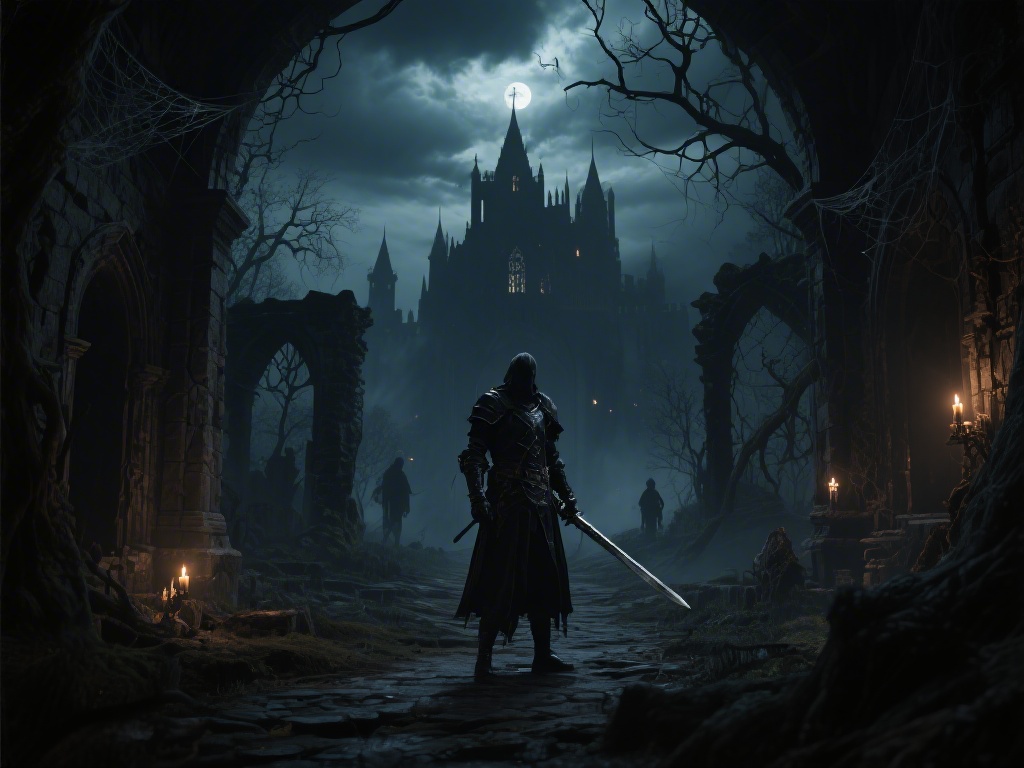
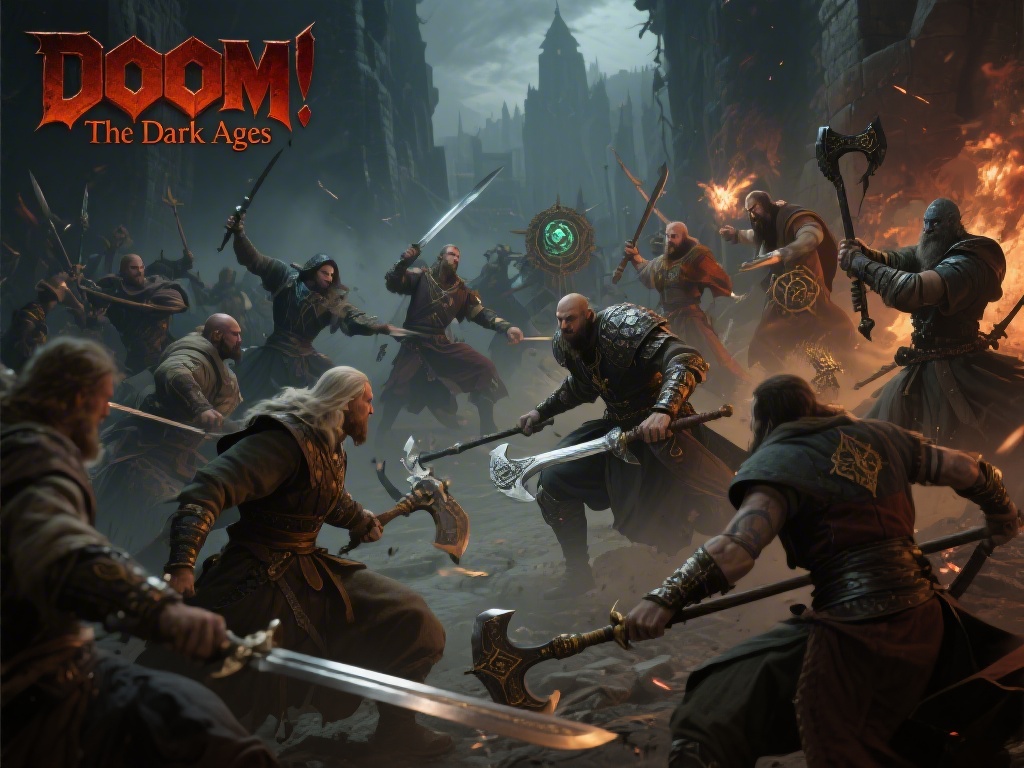
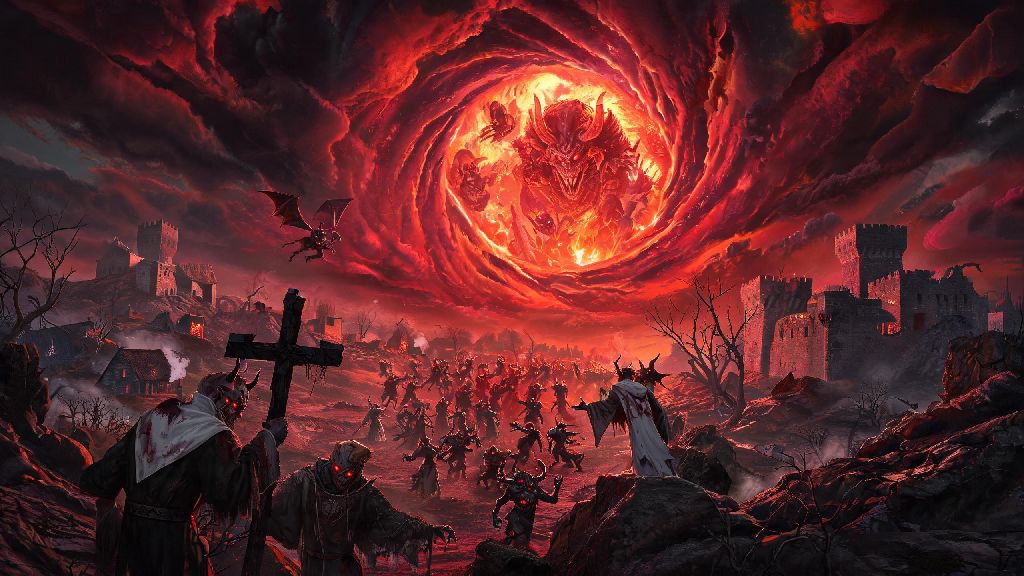
Unlike the futuristic UAC-focused setting of mainline Doom titles, this total conversion is set in an alternate 12th century Europe, where a splinter group of corrupted religious figures has opened a rift to Hell to seize control of the continent. The dev team drew equal parts from actual medieval European folklore and classic Doom hell mythos to build a world that feels both familiar to long-time Doom fans and distinct enough to stand on its own.
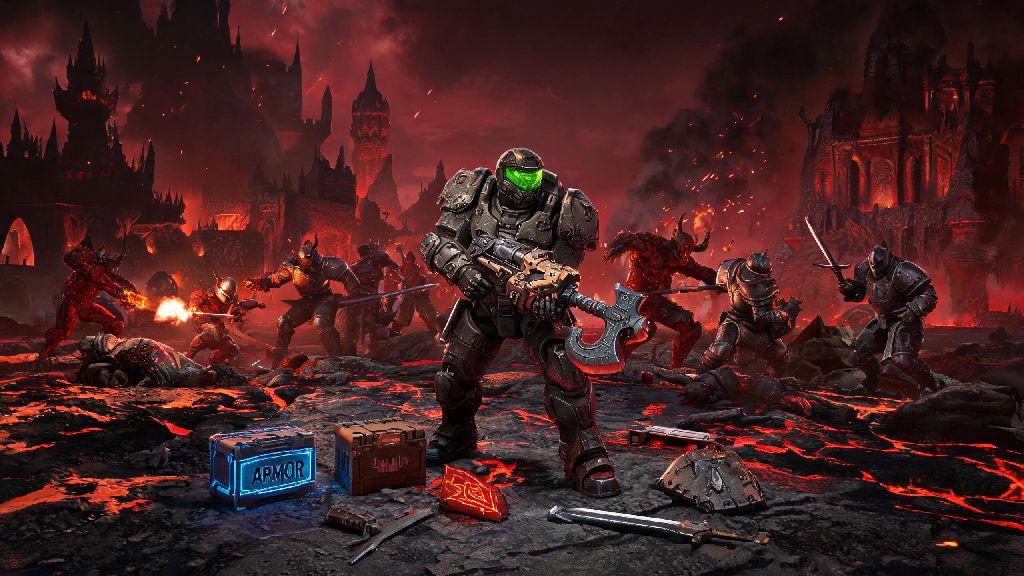
The protagonist isn’t the Doom Slayer you know from modern Doom titles – he’s a disgraced Templar knight, excommunicated for practicing forbidden old pagan magic to protect his village from raiders when the order refused to send aid. His past exposure to that old magic is the only reason he can resist Hell’s corrupting influence, which has turned every other living person in the region into either a demon host or a mindless thrall.
Hell’s invasion in this timeline isn’t a random event – it’s the end result of a 20-year plan by the corrupted sect, who spent decades infiltrating royal courts and religious institutions to weaken defenses and erase records of the old magic that could stop them. Even common enemy types have specific lore ties: imps are reanimated peasant corpses possessed by lesser demons, while Hell Knights are fallen Templars who traded their loyalty to the church for power and immortality from Hell’s archdemons.
Hidden Lore Clues You’ve Probably Missed
A lot of the game’s deepest lore isn’t spelled out in obvious, easy-to-find note logs, it’s hidden in environmental details, secret room wall carvings, and even enemy voice lines that only play if you stand still and listen for 10+ seconds in specific areas. Most players rush through levels to get to the next big fight, so 90% of these small details are missed on a first playthrough.
Many lore hunters share their finds on dedicated community forums, and some of the most well-documented deep cuts come from veteran players who have spent hundreds of hours scouring every corner of the map. For example, a recent deep dive from Remi101 broke down the hidden meaning of the runes carved into the final boss’s arena, revealing they spell out a curse that ties the game’s ending to the opening of the original 1993 Doom, creating a surprising cross-canon link between the medieval setting and the futuristic UAC timeline.
Some of the most commonly missed lore clues include:
You don’t have to play on the hardest difficulty to find these clues – most are accessible on any play setting, as long as you take a break from rushing through levels to look around. A handful of clues only appear on repeat playthroughs after you’ve beaten the game once, so it’s worth going back for a second run if you want to catch every detail.
How Lore Impacts Actual Gameplay
A lot of players assume lore has no impact on how you play, but that’s not the case for this mod. The devs wove dozens of lore-specific mechanics into the game that reward players who pay attention to the story, making lore hunting not just a fun side activity, but a way to make your playthrough far easier.
The holy water grenades you unlock halfway through the game are far more effective against corrupted monk enemies than regular rocket launchers, a detail that’s explained in a throwaway note about the monks’ pact making them vulnerable to blessed objects. If you skip that note, you might waste valuable ammo on these enemies when a single holy water grenade can take out a whole group of them at once.
If you collect all 12 hidden relics scattered across the levels, you unlock a secret ending that expands the lore even further, plus a permanent damage boost for your melee weapon that makes the final boss fight far easier. You can even miss out on entire side areas if you don’t pay attention to lore clues about hidden passageways, many of which are marked with the same old pagan runes the protagonist uses for his magic.
You can actually avoid one major mid-game boss fight entirely if you find the hidden note that explains the boss is the protagonist’s former Templar commander, and use the old Templar hand signal emote to make him stand down. The commander recognizes the signal, remembers the protagonist saving his life years before, and lets you pass without a fight, saving you a ton of ammo and health for later levels.
Common Lore Misconceptions Debunked
There are a lot of fan theories floating around that aren’t actually supported by official canon, and it can be hard for new players to tell what’s confirmed and what’s just fan headcanon. The devs have weighed in on a few of the most popular theories over the years, clearing up a lot of confusion in the community.
One of the most common misconceptions is that the protagonist is the original Doom Slayer’s ancestor. While the cross-canon easter egg found in the final arena is a fun nod to the mainline series, the devs have confirmed there is no official familial link between the two characters, and the easter egg is just a tribute for long-time Doom fans.
There is no secret third ending that lets you stop the Hell invasion entirely – the devs have stated that the grim, bittersweet ending is intentional, to fit the dark, hopeless tone of the Dark Ages setting. Any videos claiming to show a third ending are either edited or using fan-made mod extensions that aren’t part of the official canon.
The corrupted monks are not based on any real historical religious order – the team made a point to create a completely fictional sect to avoid tying real world faith groups to demonic villainy, a choice that’s been widely praised by the community for its thoughtfulness. The team also worked with medieval history consultants to make sure all non-lore details, like castle architecture and common household items, are as historically accurate as possible.
Taking the time to unpack all the small, carefully placed details makes replaying the mod feel like a whole new experience, even if you’ve beaten it a dozen times before. Doom the Dark Ages lore is far more detailed and thoughtful than most players give it credit for, blending real medieval history, classic Doom mythos, and original worldbuilding to create something that feels both familiar and totally unique. Next time you boot up a run, try slowing down for a few minutes to look at the wall carvings, read the scattered notes, and listen to the little environmental details – you might be shocked at how much story you’ve been missing this whole time.