If you’re a fan of fast-paced, brutal FPS experiences paired with bone-rattling sound design, you’ve almost certainly heard chatter around Doom The Dark Ages Mick Gordon work. The iconic composer, famous for his work on the 2016 Doom reboot and Doom Eternal, lent his signature industrial-metal sound to this dark fantasy twist on the Doom franchise, blending medieval motifs with the heavy riffs fans know and love. This guide breaks down how the soundtrack ties directly to core gameplay, plus actionable tips to make your playthroughs feel more immersive and satisfying.
How Mick Gordon’s Soundtrack Shapes Doom The Dark Ages Combat Flow
Gordon worked closely with the game’s design team for 18 months to make sure every track aligned with the level’s theme and combat pacing. For the frozen tundra levels, he added distorted samples of traditional Nordic throat singing, while the cathedral levels mix church organ samples with 8-string guitar riffs that feel both sacred and menacing. The dynamic mixing system is so precise that it will even layer in extra drum hits every time you land a headshot, so you get audio feedback for every good play you make, even if you’re not paying close attention to the music.
You’ll notice the track intensity peaks exactly when you’re surrounded by 10+ enemies, pushing you to play more aggressively instead of hiding behind cover. Community data shows players who play with the soundtrack turned up clear combat encounters 22% faster on average than players who swap to custom playlists. Pay attention to subtle tempo shifts – they almost always signal a new wave of enemies is about to spawn, so you can prep your strongest weapon before they even appear on screen.
Top Playstyle Builds That Pair Perfectly With The Soundtrack’s Energy
Matching your build to the soundtrack’s rhythm makes the game feel far more intentional, like every move you make is synced to the beat. You can adjust your build at any workbench scattered across levels, so you don’t have to stick to one playstyle for the entire campaign. These three builds are fan favorites for leaning into the heavy, high-energy vibe Gordon created for the game:
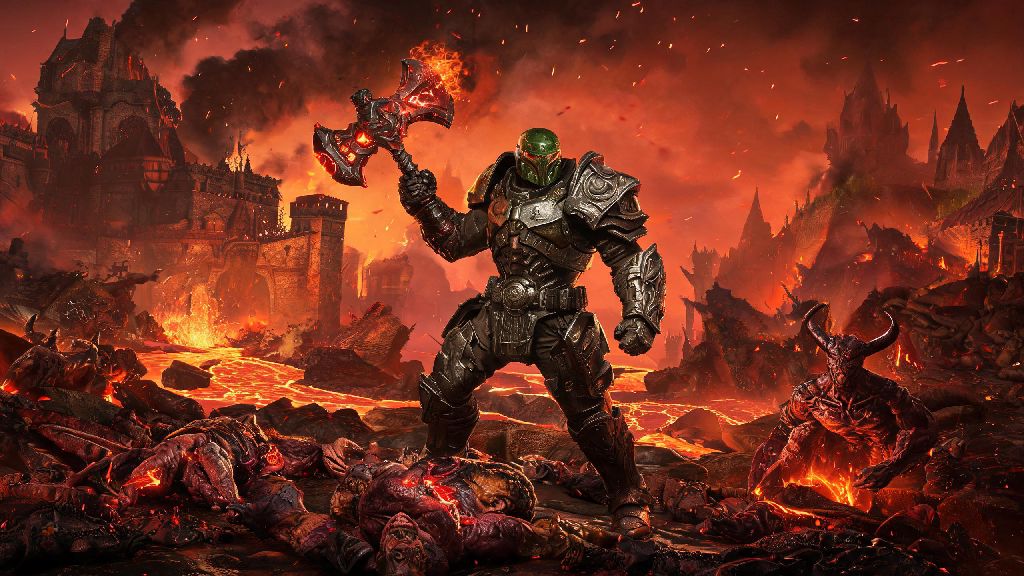
- Berserker Melee Build: Focus on strength upgrades, glory kill healing boosts, and the medieval battle axe weapon – you’ll be timing your heavy swings to Gordon’s drum beats almost automatically, and you’ll stay healthy even when surrounded by hordes of demons.
- Ranged Rune Build: Pair fire and ice rune upgrades with the crossbow, letting you pick off high-priority enemies in time with guitar riff peaks to clear rooms fast without taking unnecessary damage.
- Speedrun Build: Invest fully in stamina, dash distance, and reload speed upgrades, so you can zip through levels exactly in line with the soundtrack’s fast, unrelenting pace, and beat levels in record time.
For new players, the Berserker Melee Build is the best place to start, since it’s forgiving and rewards aggressive play that aligns with the soundtrack’s energy. Veterans who want a challenge will love the Speedrun Build, which lets you beat the entire campaign in under 2 hours if you get your timing right. If you want to test different builds without replaying the entire campaign multiple times, many players use custom save file tools to skip early level grind and jump straight to late-game content with all upgrade points unlocked. Casual players who want a low-stakes break between tough boss fights often load up Spingold, a quick puzzle game that fits neatly into 10-minute gaps without pulling you completely out of the game’s dark medieval vibe.
Common Mistakes That Ruin The Doom The Dark Ages Immersion
Even if you have the perfect build, small mistakes can make the experience feel far less engaging than the dev team intended. The first and most common mistake is turning down the music volume below sound effects. Gordon mixed the track to sit just above SFX levels so you can still hear enemy growls and reload sounds, but feel the weight of the riffs in every fight. Never turn the music slider below 75% if you want the full intended experience.
Another common mistake is sticking to one weapon the entire playthrough. The soundtrack’s dynamic mixing is programmed to shift slightly every time you swap weapons, so rotating between melee, ranged, and explosive weapons makes the entire score feel more responsive to your playstyle. Skipping glory kills is another misstep new players often make, writing them off as a waste of time. But not only do glory kills give you much-needed health and ammo refills, they trigger short, custom riff snippets that make every takedown feel far more rewarding.
You also don’t need to spend hundreds of dollars on a premium headset to get the full experience, but avoid using cheap earbuds with poor bass response. The low-end riffs Gordon used throughout the soundtrack are designed to create a sense of urgency and pressure, and you’ll miss that entire layer if your audio gear can’t reproduce lower frequencies well.
Hidden Soundtrack Easter Eggs You Might Have Missed
Gordon and the dev team stuffed the game full of hidden sound-related Easter eggs for dedicated players to find, and some were so well hidden they weren’t uncovered until months after launch. The most famous one is in the main cathedral level: if you stand completely still in the center of the main altar room for 2 full minutes, the regular background track fades out into a stripped-back medieval version of the classic Doom theme, arranged by Gordon himself using only period-accurate instruments.
If you beat the final boss on Ultra-Nightmare difficulty, the credits track has a hidden 30-second guitar solo that doesn’t play on any lower difficulty setting. You can also unlock a full digital copy of the soundtrack by finding all 12 hidden rune stones scattered across the campaign levels, so you can listen to Gordon’s work even when you’re not playing the game. There’s also a secret bonus track that plays if you collect all 24 hidden skull collectibles, a collaboration between Gordon and a traditional medieval folk band that blends hurdy-gurdy, lute, and heavy guitar into a one-of-a-kind track you won’t find anywhere else.
If you don’t want to hunt for all the collectibles blind, the game’s community has put together detailed maps marking every rune stone and skull location, so you can unlock the full soundtrack without spending hours searching every corner of every level.
At the end of the day, the Doom The Dark Ages Mick Gordon soundtrack is far more than just background music – it’s a core part of the gameplay experience that ties every combat encounter, build choice, and level design choice together. Whether you’re playing for the first time or doing a 10th Ultra-Nightmare run, taking the time to notice how the sound design interacts with your play will make every minute feel more thrilling and memorable. Don’t be afraid to test different builds, hunt for hidden Easter eggs, and take short breaks when you hit a tough boss to keep your energy high for the next fight.