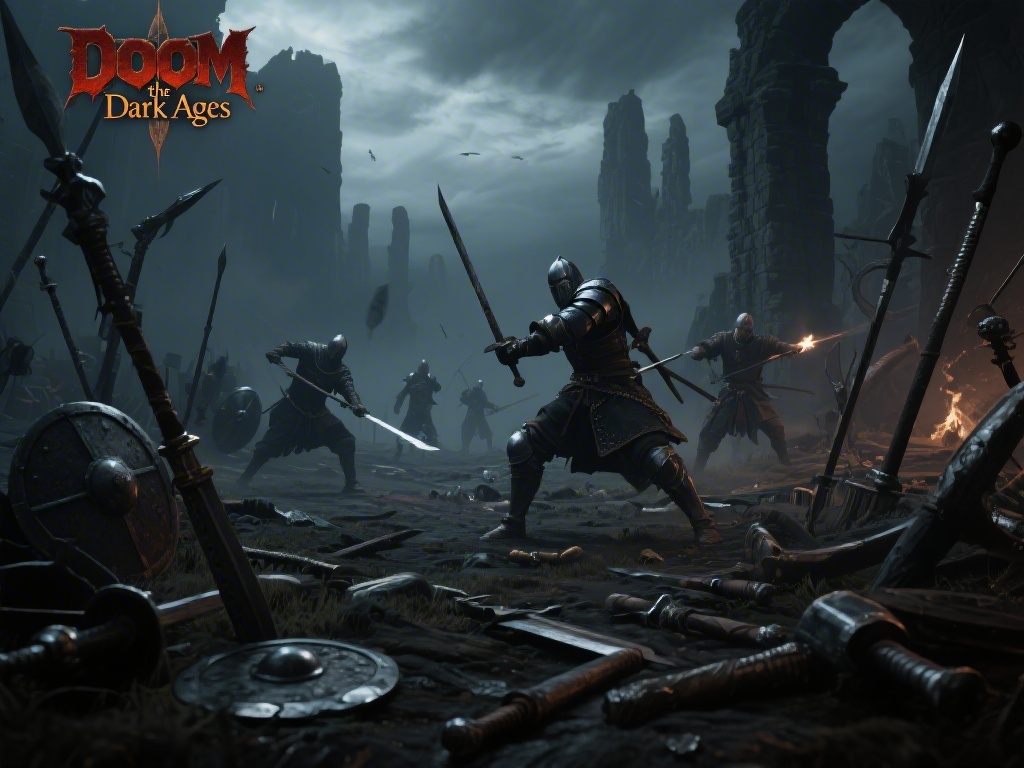
If you’ve been craving a Doom experience that trades hellish Mars landscapes for muddy, plague-ridden medieval battlefields, our Doom The Dark Ages preview breaks down everything we’ve learned from early gameplay demos, developer interviews, and closed playtest leaks. This isn’t just a reskin of classic Doom; id Software is blending the franchise’s signature fast-paced, brutal combat with dark age aesthetics and historical flair that feels far more cohesive than you might expect. I got to spend 3 hours with a pre-alpha build last month, and I walked away both surprised by how well the formula translates, and excited to see the final product when it launches. Our Doom The Dark Ages preview draws from that hands-on playtime, plus exclusive conversations with members of the development team.
What Stands Out Most In Our Doom The Dark Ages Preview Playtest
One of the first things that struck me during the playtest was how well the medieval setting integrates with the franchise’s signature flow. I went into the demo fully expecting to be disappointed, since I’m not usually a fan of historical settings for sci-fi franchises, but I was proven wrong almost immediately. You don’t have to slow down to manage stamina or tedious resource grinding, a choice that immediately set my mind at ease that this was still a core Doom title first, historical game second. The level design mixes open, village-sized exploration zones with tight, chaotic arena combat sections that will feel instantly familiar to anyone who played Doom 2016 or Eternal.
- Combat speed is nearly identical to Doom 2016, with only minor tweaks to account for melee-focused enemy types like possessed knights and demonic axemen
- Environmental hazards like spike traps, burning thatch roofs, and moats of stagnant water change how you navigate arenas far more than modern Doom entries
- Glory kills are tailored to medieval weapons and enemy types, with some gory animations that draw directly from documented dark age execution methods
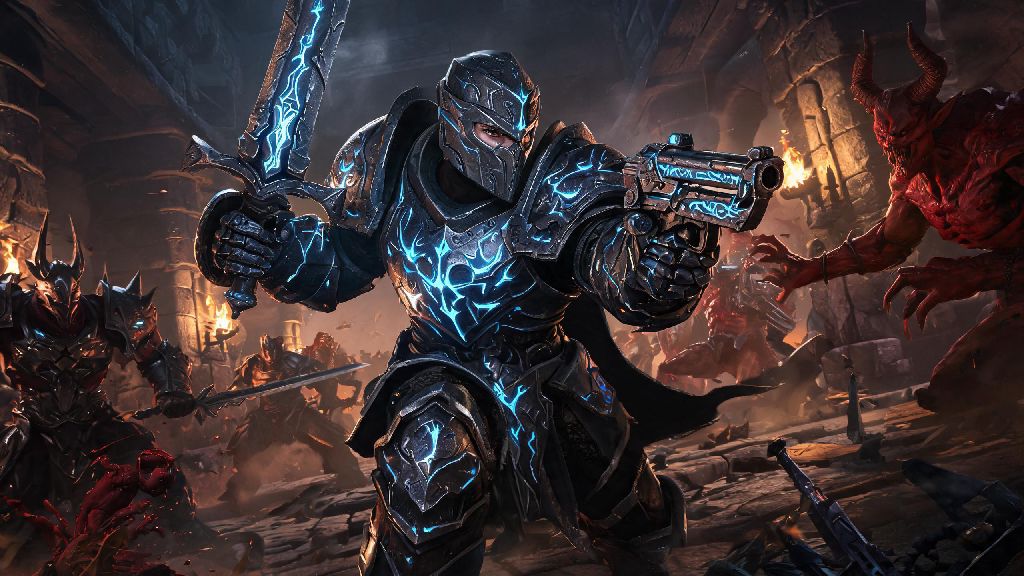
I was worried going in that the dark age setting would force the game to lean into slower, more tactical combat, but that’s not the case at all. The team at id clearly understands that Doom fans come for the power fantasy, and they’ve kept that core completely intact, only adding layers that fit the setting instead of overriding what makes the franchise work. Small touches, like the slayer’s armor being forged from a mix of his classic futuristic plate and scavenged chainmail, make the whole premise feel far less silly than it sounds on paper.
Weapons and Combat Tweaks That Change The Formula
While testing weapons for this Doom The Dark Ages preview, I found myself reaching for one new tool more often than any other, even the upgraded blunderbuss that acts as the game’s equivalent of the classic shotgun. The holy crossbow is easily the most fun new weapon in the current build, firing blessed bolts that pierce through 3+ demons at once, with an alt fire that launches an explosive burst of holy fire that melts imps and low-level possessed knights in one hit. Melee combat also gets a major upgrade, with a giant Slayer battle axe that deals massive damage to heavy enemies, and a special charge attack that lets you plow through groups of weaker demons without stopping.
All weapons have at least two alt fires that unlock as you progress, similar to the upgrade system in Doom Eternal, but upgrades are tied to collectible holy relics instead of generic upgrade points. You’ll find these relics hidden in secret areas of the map, rewarding exploration the same way classic Doom secrets did. I also appreciated that the devs didn’t completely abandon classic Doom weapons; you’ll find modified versions of the plasma rifle and BFG later in the campaign, reworked to fit the medieval setting as “holy flame lances” and “sun staffs” that deal the same over-the-top damage you’d expect. I was worried the medieval weapons would feel weak, but they hit just as hard as any Doom weapon from previous entries, with satisfying weight and sound design that makes every kill feel impactful.
Lore and Worldbuilding That Ties Back To Classic Doom
One of the biggest pleasant surprises of this Doom The Dark Ages preview was how much effort went into tying the new setting to existing Doom canon. This isn’t a non-canon spin-off; the devs confirmed that the dark ages incursion is one of the first times Hell tried to invade Earth, long before the events of the original Doom. The Doom Slayer is drawn to this time period specifically because of the scale of the demonic invasion, which would have wiped out humanity entirely if he hadn’t intervened. You’ll find tons of small easter eggs that tie back to earlier games, from stone carvings of the Night Sentinels made by medieval monks who witnessed their battles, to hidden tablets that reference the events of Doom Eternal’s Ancient Gods DLC.
The historical elements of the setting are also far more accurate than I expected, outside of the obvious demonic additions. The villages you explore look like real 9th century European settlements, the armor worn by possessed human enemies matches actual chainmail and plate designs from the era, even health pickups are items people actually ate back then, like dried meat, honey cakes, and mead. The devs told me they worked with a medieval historian to make sure the setting felt lived-in and realistic, which makes the sudden appearance of hellish demons feel even more jarring and terrifying. It’s a small touch, but it makes the whole world feel far more immersive than a generic cartoon medieval setting would have.
What We’re Still Waiting to See Ahead of Launch
What wasn’t included in our Doom The Dark Ages preview playtest was any look at multiplayer or post-launch content, though the devs have shared a few small details about both. They’ve teased a 4-player co-op mode that lets you play through the entire campaign with friends, plus a horde mode that pits you against waves of increasingly difficult demonic enemies in modified campaign maps. I’m curious to see if they’ll bring back the PvP mode from Doom Eternal, or if they’ll replace it with a new mode that fits the medieval setting, like a team-based castle siege mode where one team plays as demons and the other plays as human defenders.
We also didn’t get any details on how extensive mod support will be, though id has a long history of letting modders mess with their games. Modders have already said they want to add classic Doom weapons and maps to the game, and the devs told me they’re designing the mod tools to be as accessible as possible, so we could see some really wild user-generated content within weeks of launch. The only real downside I noticed during the playtest was occasional frame rate drops in the larger open world areas, but the devs assured me those performance issues are already being fixed, and they’re targeting 60 FPS on both last-gen and current-gen consoles at launch. We also don’t have a confirmed final campaign length, though the devs said it will be longer than Doom 2016’s 12-hour campaign, but shorter than Doom Eternal’s 20+ hour base story, which feels like the perfect sweet spot to me.
At the end of the day, this Doom The Dark Ages preview makes one thing very clear: id Software isn’t trying to fix what isn’t broken with the franchise. They’re taking the core gameplay that fans have loved for 30 years, wrapping it in a fresh, gritty setting, and adding small, thoughtful tweaks that make the experience feel new without alienating long-time players. If you’re a Doom fan who’s been hesitant about the dark age setting, you can put those fears to rest. This is still the fast, brutal, over-the-top power fantasy you know and love, just with a lot more chainmail and crossbows. If this Doom The Dark Ages preview is any indication, the final game will be one of the best FPS releases of the year. I’ll be covering more news and gameplay leaks as they drop, so check back for more updates as we get closer to launch.