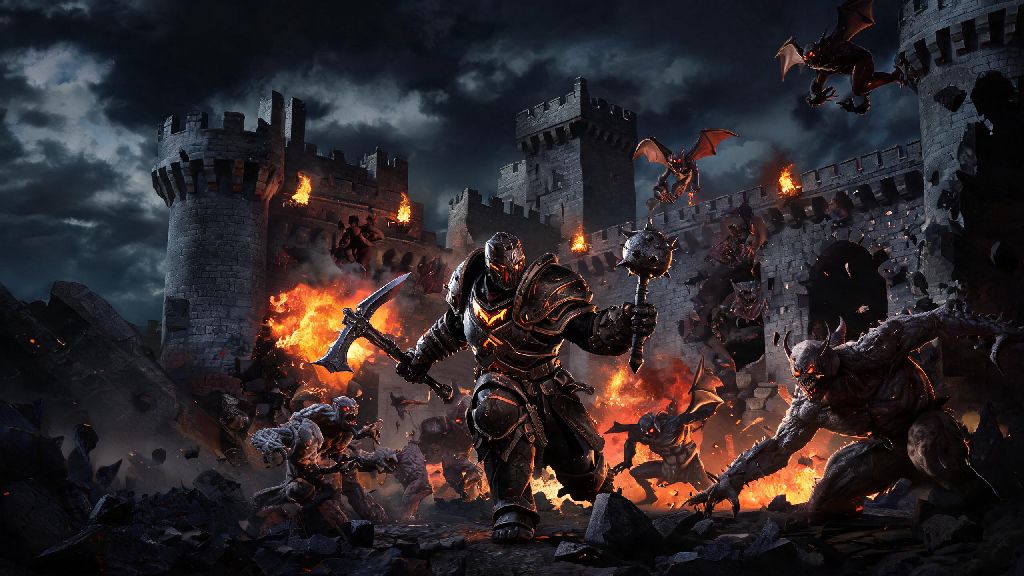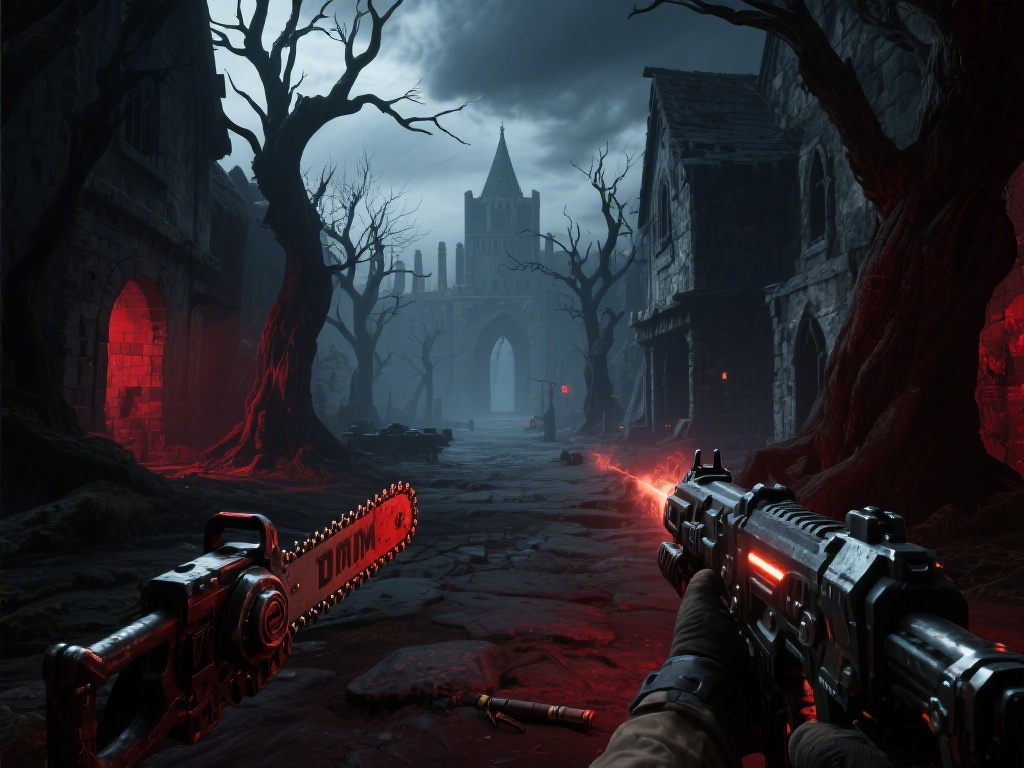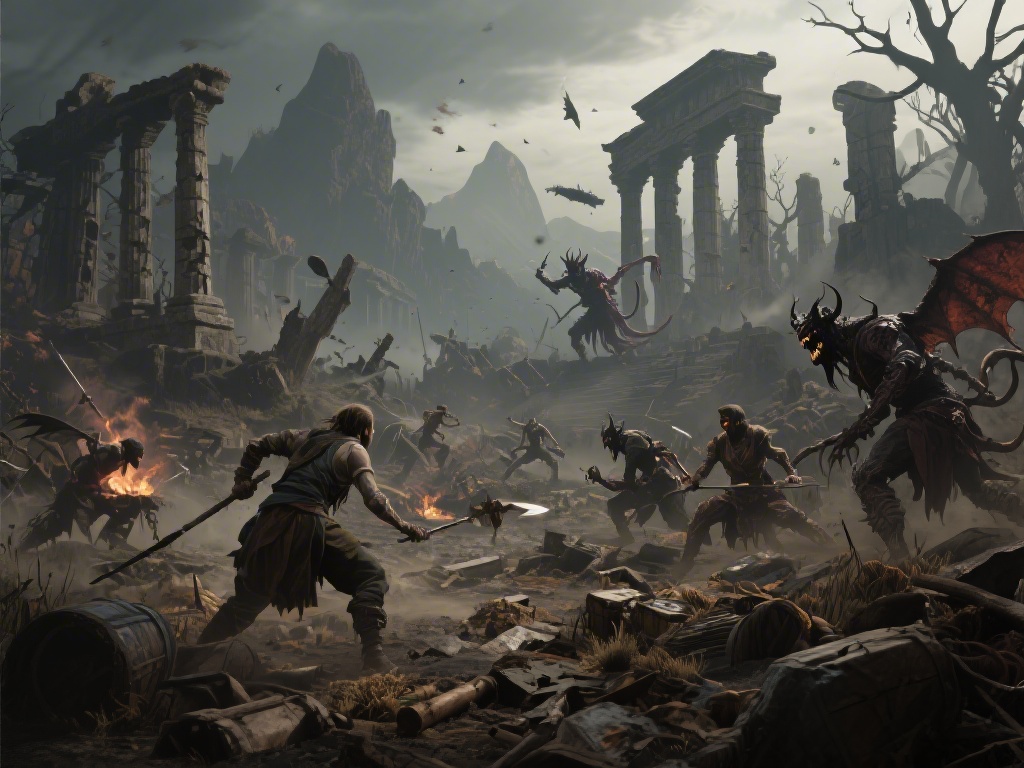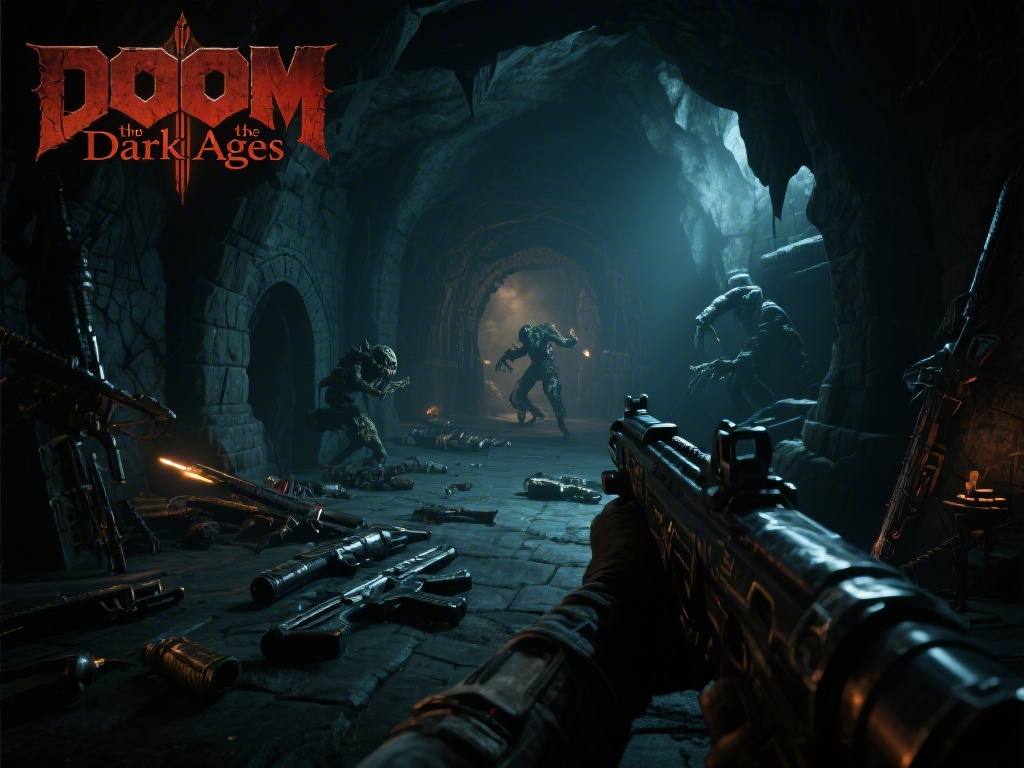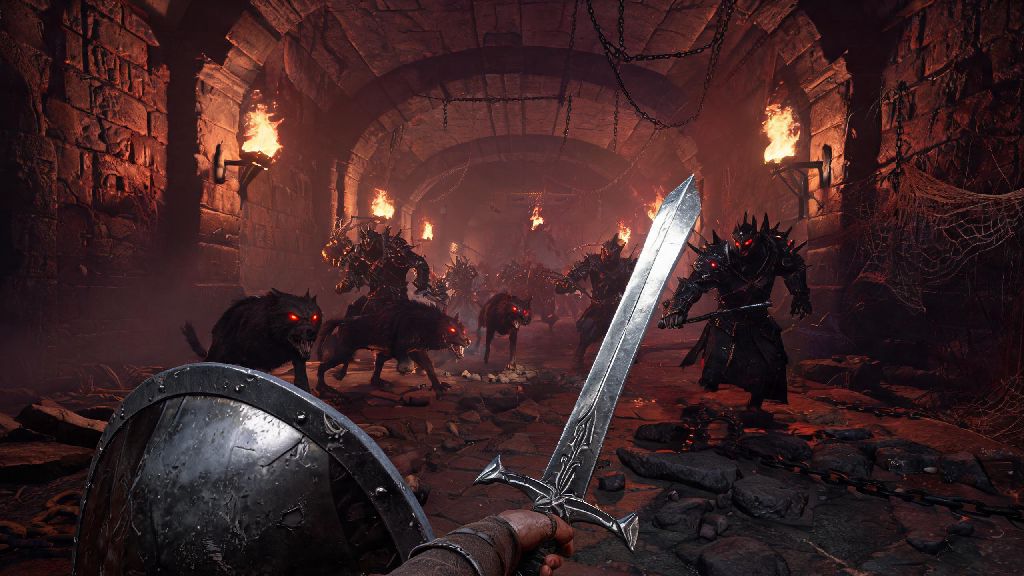
If you’ve ever wanted to blend the fast-paced, blood-pumping action of classic Doom with the grim, brooding atmosphere of medieval dark ages settings, Doom The Dark Ages The Old One is exactly the mod you didn’t know you needed. I stumbled on it last year when scrolling through retro FPS mod forums, and I’ve sunk over 40 hours into it across three playthroughs so far. It’s not just a reskin of classic Doom either; it adds full skill trees, period-accurate weapons, and a sprawling campaign centered around stopping the titular Old One, a corrupted elder god that’s turned medieval Europe into a hellscape overrun by possessed knights and demonic hounds. This guide pulls together all the lessons I learned the hard way, so you don’t have to waste hours stuck on unforgiving encounters or miss out on hidden power-ups that make the endgame way more manageable.
Key Mechanics Unique to Doom The Dark Ages The Old One
If you’re used to regular Doom’s run-and-gun loop where you can sprint around nonstop and chainsaw enemies without any limits, the stamina system will feel like a big adjustment at first. I spent my first hour of play spamming attack and getting stuck mid-swing with no stamina left to dodge a knight’s axe swing, so I learned pretty quickly to pace my attacks. The faith system is another big shift; you can’t just hoard it for the end of levels, because using small buffs during tough encounters will save you more health potions than saving it for a single big heal later.
Stamina management is non-negotiable here, because even swinging a heavy battleaxe drains stamina, and if you run out mid-fight, you can’t block or dodge incoming attacks. The faith system works a little differently depending on your class, too: Clerics gain faith 20% faster than other classes, while Men-at-Arms get 30% more effect from faith buffs. You also gain faith from saving friendly NPCs scattered across levels, so it’s always worth taking a detour to help a villager being attacked by demons, even if it means fighting a few extra enemies.
Another mechanic that doesn’t get explained well in the in-game tutorial is damage typing. Armor isn't just a number; different armor pieces protect against different damage types, so plate armor works great against slashing attacks from possessed knights, but does almost nothing against fire blasts from imp variants. You don’t have to stick to one weapon type per playthrough, swapping between a crossbow for long-range picks and a mace for close-quarters armored fights will save you a ton of health potions. These are the core mechanics you’ll want to master before you get past the first two levels:
You don’t have to memorize every damage type right away, but if you notice you’re only dealing 1 or 2 damage per hit to an enemy, swap to a different weapon type first before wasting all your ammo.
Best Beginner Builds to Beat Early Encounters
There are three starting classes to choose from, and each one changes the way you’ll approach the entire campaign. You can respec your skill points once per level if you want to adjust your build, but you’ll lose any gold you spent on skill upgrades, so it’s better to pick a general playstyle and stick to it for your first run. The Cleric is the most forgiving for new players, because their faith buffs include passive health regen that activates whenever you have a 5-kill flawless streak.
The Cleric’s starting mace is already optimized for blunt damage, so you won’t have to waste gold on a new weapon for the first three levels, and you can spend your gold on health potions and armor upgrades instead. If you prefer a more aggressive melee playstyle, the Man-at-Arms is a great pick. They start with 20% more stamina and a full set of plate armor, so they can take way more hits than the other two classes. The only downside is their faith gain is 30% slower, so you’ll have to rely more on health potions than buffs to stay alive.
The Ranger is for players who like to keep their distance and pick off enemies before they get close. They start with a longbow and 20 poison arrows that deal damage over time to unarmored enemies, but they have 40% less health than the Man-at-Arms, so one heavy hit from a knight can take you out instantly. I tried a full damage Ranger build on my first playthrough and got one-shot by a possessed knight 10 minutes into the second level, so don’t make that mistake. Even if you’re playing a Ranger, put 2 points into stamina for your first two level ups, so you can dodge more attacks without running out of energy. For Clerics, put your first 3 skill points into faith gain, so you can get buffs more often during fights. For Men-at-Arms, put your first 3 points into stamina, so you can swing your weapon more times before needing to pause to regenerate.
How to Find and Defeat The Old One Boss Fight
The final boss fight against the Old One is easily the hardest part of the entire campaign, and most new players get stuck on it for hours if they go in unprepared. First, you have to collect three holy relics across the final three levels to unlock the boss arena. If you skip any, the boss will have 50% more health and deal 25% extra fire damage, so it’s never worth rushing through the final levels to get to the fight faster. I skipped one relic on my first playthrough and spent over an hour dying over and over before I realized I missed it, so take your time and explore every corner of the final levels.
Make sure you have at least 5 full faith charges saved before entering the arena, because the boss has three phases, and you won’t get any chances to refill faith mid-fight. You also want to bring at least 10 health potions, and a mix of blunt weapons for the first phase and explosive crossbow bolts for the second and third phases. The first phase of the fight sees the Old One stay behind an impenetrable shield, summoning waves of possessed knights and fire imps to attack you. Focus on taking them out first, don’t waste ammo on the boss itself during this phase, its shield is up and takes 0 damage.
Once you kill all the summoned enemies, the shield drops and the second phase starts. During the second phase, the Old One starts throwing tracking fire blasts that follow you around the arena. Dodge sideways instead of backwards to avoid them easier, because backwards movement is slower and the blasts will catch up to you more often. The Old One also takes full damage during this phase, so unload as much explosive ammo as you can while dodging the fire blasts. When you get its health down to 25%, the third phase starts. It stops throwing fire blasts and starts charging melee attacks that can one-shot you even with full plate armor, so keep your distance as much as possible. There’s a hidden holy shrine behind a broken pillar on the left side of the arena that gives you 10 seconds of invincibility if you interact with it, but you can only use it once, so save it for the third phase when you’re getting swarmed or low on health.
Hidden Secrets Worth Unlocking On Your First Playthrough
One of the best parts of Doom The Dark Ages The Old One is how much hidden content is scattered across every level. Most players miss at least half of it on their first run, but some of these secrets make the entire campaign way easier, so it’s worth looking for them. The first secret level is unlocked by finding a hidden iron key under the well in the first village level. You have to jump down the well and kill a small group of imps to get the key, and it unlocks a secret level full of powerful weapons and gold. You also get a unique holy sword at the end of the secret level that deals 2x damage to all demonic enemies for the rest of the playthrough, which makes the final boss fight way faster.
You can unlock a permanent stamina boost by collecting all 12 hidden tapestries scattered across the campaign, each tapestry gives you a 2% stamina increase, so collecting all of them adds up to a 24% boost that makes melee play way smoother. You don’t have to collect all of them on your first run, but even collecting 5 or 6 gives you a noticeable difference in how often you can swing your weapon or dodge attacks. Another secret most players miss is the friendly hound companion you can unlock in the third level. There’s a farmer whose farm is being attacked by possessed wolves, and if you kill all the wolves before they kill the farmer and his dog, the dog will follow you for the rest of the campaign. It doesn’t take damage, so it’s a great distraction for tough enemies, and it even deals small amounts of damage to unarmored foes.
I missed the dog on my first two playthroughs, and when I finally found it, it made the mid-game levels so much less stressful, it takes aggro off you constantly so you can focus on dealing damage. There’s also a hidden respec shrine in the sixth level that lets you reset all your skill points for free, so if you messed up your build early on, you can fix it without having to restart the entire campaign.
At the end of the day, Doom The Dark Ages The Old One succeeds because it balances the classic Doom chaos we all love with fresh, thematic mechanics that make it feel like a totally new game. It’s clear the modders put a ton of work into making the dark ages setting feel authentic, from the weapons and armor to the grim, rainy village environments and brooding soundtrack. You don’t have to be a retro FPS pro to enjoy it either; with the right build, a little patience for learning the new systems, and a willingness to look for hidden secrets, you can beat the entire campaign on normal difficulty without too much frustration. If you’ve already finished a playthrough, try upping the difficulty to hard for an extra challenge, or experiment with a class you haven’t tried yet to get a totally different experience. There’s enough hidden content here to keep you coming back for multiple runs, even if you think you’ve seen everything it has to offer.