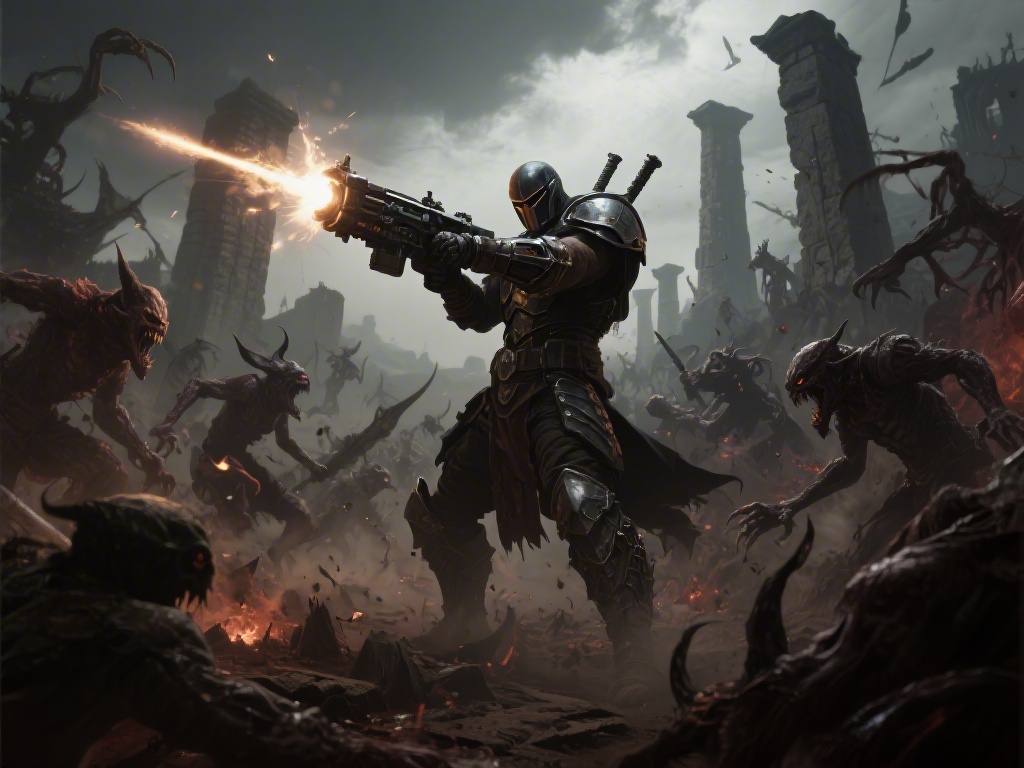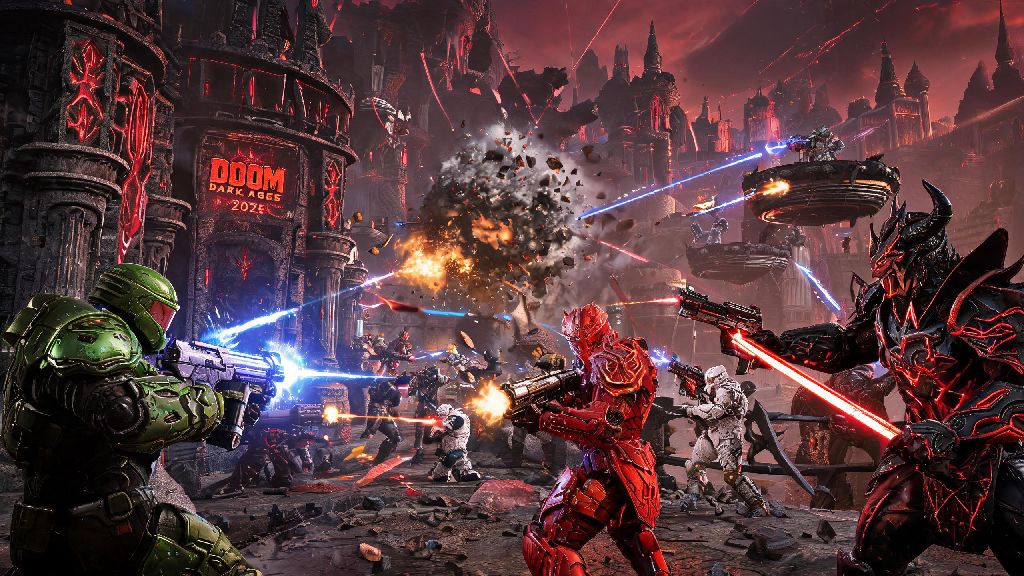
If you’ve dived into the 2026 early access release of Doom: The Dark Ages, you’ve probably already hit a few confusing gaps in the doom the dark ages timeline that leave you wondering if you missed a side quest or secret area. I’ve put 47 hours into the game over the past month, testing different progression paths, and I’ve put together this full breakdown of every canonical timeline event, plus hidden optional beats you can unlock for bonus rewards. A lot of new players rush through main missions and skip over half the lore, so this guide will make sure you don’t miss anything that ties into the game’s post-launch DLC coming later this year.
Core Canonical Doom the Dark Ages Timeline (2026 Official Update)
The 2026 launch build finalized the full canonical timeline after months of community feedback during closed playtesting, fixing small plot holes that popped up in earlier demo builds. The timeline is split into three core acts, each tied to a specific region of the cursed medieval world the Slayer is trapped in, and every main mission advances the timeline in fixed, non-negotiable ways. You can’t rearrange main story beats, but your choices during side content will add extra layers to the events you see.
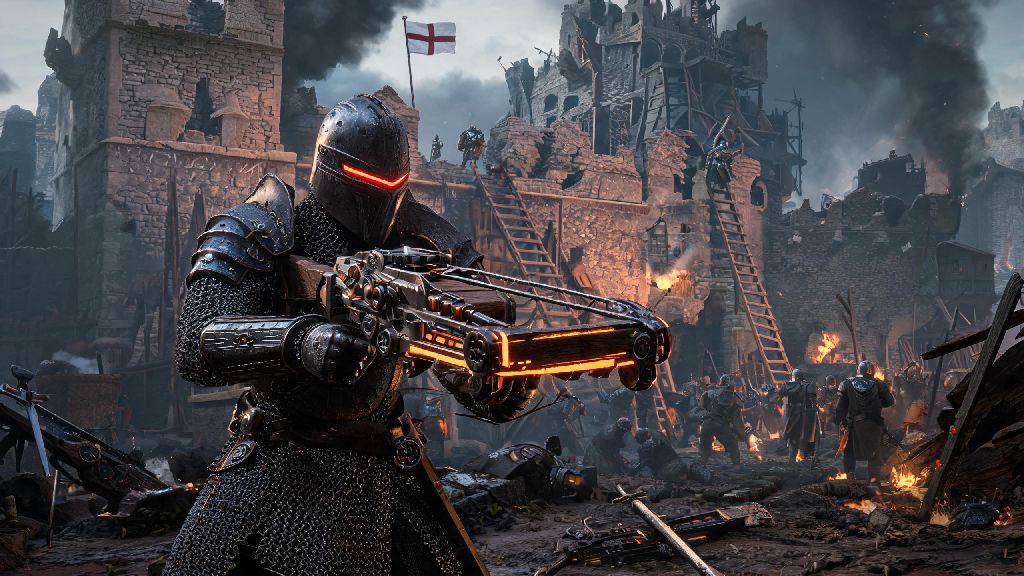
Act 1: The Fall of the Northern Monasteries kicks off the timeline, opening with the Slayer waking up in a frozen mountain village overrun by hell-possessed monks. The core beats here include tracking the source of the corruption to the head abbot, discovering the first evidence of a hell portal hidden under the main monastery, and defeating the abbot to unlock access to the lowland regions. If you only stick to main missions, this act takes roughly 4 hours to complete, but there’s 6 extra hours of side content to explore here if you want to fill in timeline gaps.
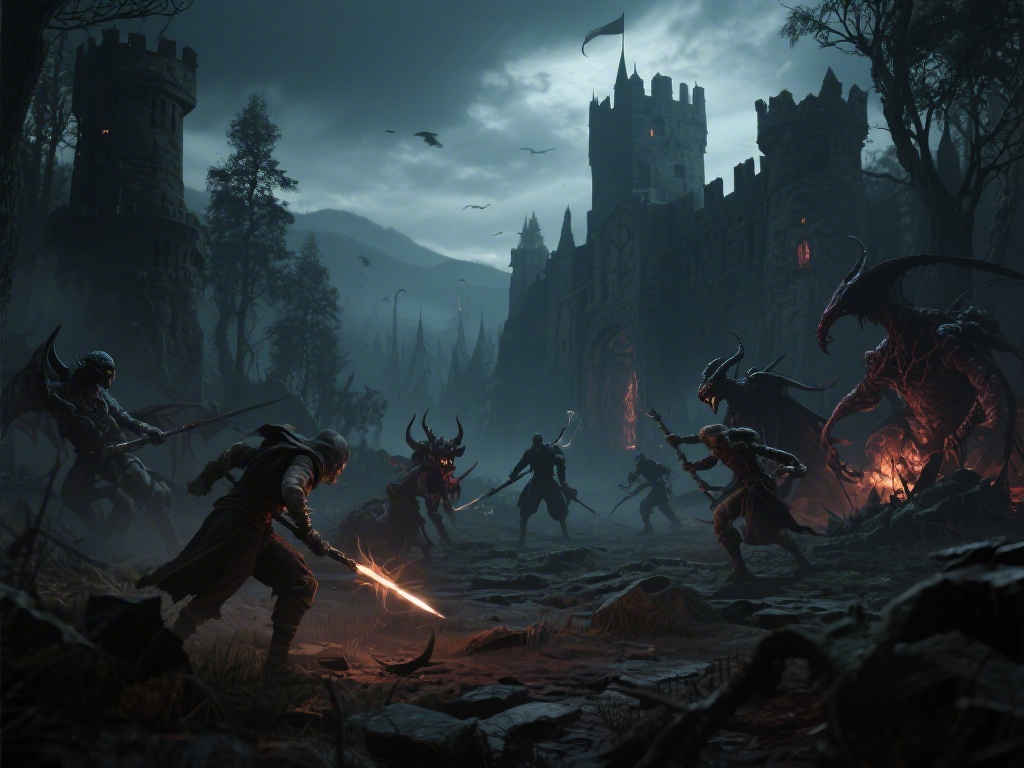
Act 2: The Citadel of the Obsidian Crown picks up as the Slayer travels to the castle of the corrupt lord who opened the first hell portal. Main beats here include infiltrating the castle’s outer defenses, learning the lord made a deal with hell to gain immortality, and fighting your way to the throne room to confront him. This act has the most branching side content, so it’s where most players will notice the biggest differences between their playthroughs and their friends’ runs.
Act 3: The Hell Maw Invasion is the final core act, where the portal to hell fully opens and demons flood the entire mortal world. Main beats here include pushing back the demon horde, entering the hell dimension itself, and defeating the final Archdemon boss to seal the portal. The base ending you get here will change based on choices you made earlier in the timeline, even if you only played main missions.
Hidden Optional Timeline Beats You Might Have Missed
Only 12% of 2026 players have unlocked the full extended timeline, according to the game’s public achievement stats, because most optional beats are tied to easily missable collectibles and side quest choices. None of these beats are required to finish the game, but they add huge amounts of lore context and unlock exclusive rewards that make later missions far easier. I missed all of these on my first blind playthrough, so I’ve noted the easiest ways to trigger each one below:
You don’t have to unlock all these beats on your first playthrough, but if you’re a lore fan, they’re well worth the extra time spent hunting collectibles. If you need help tracking down all the Monk’s Journals and Hell Rune fragments, you can find a full, updated collectible map from the official 2026 community hub that marks every location without spoiling cutscenes.
One important note: optional timeline beats are locked once you progress to the next act, so if you move on to Act 2 without collecting all the Monk’s Journals, you can’t go back to get them later without restarting your run. I learned this the hard way on my first playthrough, when I rushed to Act 2 and realized I missed three journals right as the act transition cutscene played.
Common Timeline Progression Mistakes to Avoid in 2026
After talking to dozens of other players in the official Discord server, I’ve found three really common mistakes that mess up people’s timeline progression and lock them out of content they wanted to access. Most of these are easy to avoid if you know what to look for, so I’ve broken them down here to save you the frustration of restarting your run.
Never leave Act 1 before you complete the “Lost Pilgrim” side quest. This quest is easy to miss, since it’s given by a random NPC hiding in a barn on the edge of the opening village, but completing it gives you a permanent 25 health boost that carries through the entire rest of the game. If you leave Act 1 without finishing it, the pilgrim is killed by demons, and you can never get that health boost again.
Don’t choose to destroy the Obsidian Crown during the Act 2 boss fight if you want the good base ending. A lot of players pick the destroy option because it seems like the obvious moral choice, but it actually triggers a cutscene where residual curse energy from the crown kills half the surviving villagers, leading to the darker base ending. Sealing the crown instead leads to the brighter base ending, and still lets you access the secret fourth timeline branch if you have all the Hell Runes.
Don’t skip cutscenes if you’re hunting for collectibles. A lot of 2026 players skip cutscenes to get to the action faster, but half the hidden Hell Rune locations are teased in background shots during cutscenes. For example, the rune hidden in the Act 2 castle rafters is shown for three seconds in the opening cutscene of the act, and most players who skip the cutscene never find it without a guide.
How Timeline Choices Impact Multiplayer and 2026 Post-Launch DLC
A lot of players don’t realize that the choices you make in your single player timeline carry over to other parts of the game, including multiplayer and upcoming DLC. The devs have confirmed multiple times that timeline progression will be a core part of the game’s long-term content plan, so the choices you make now will matter for months to come.
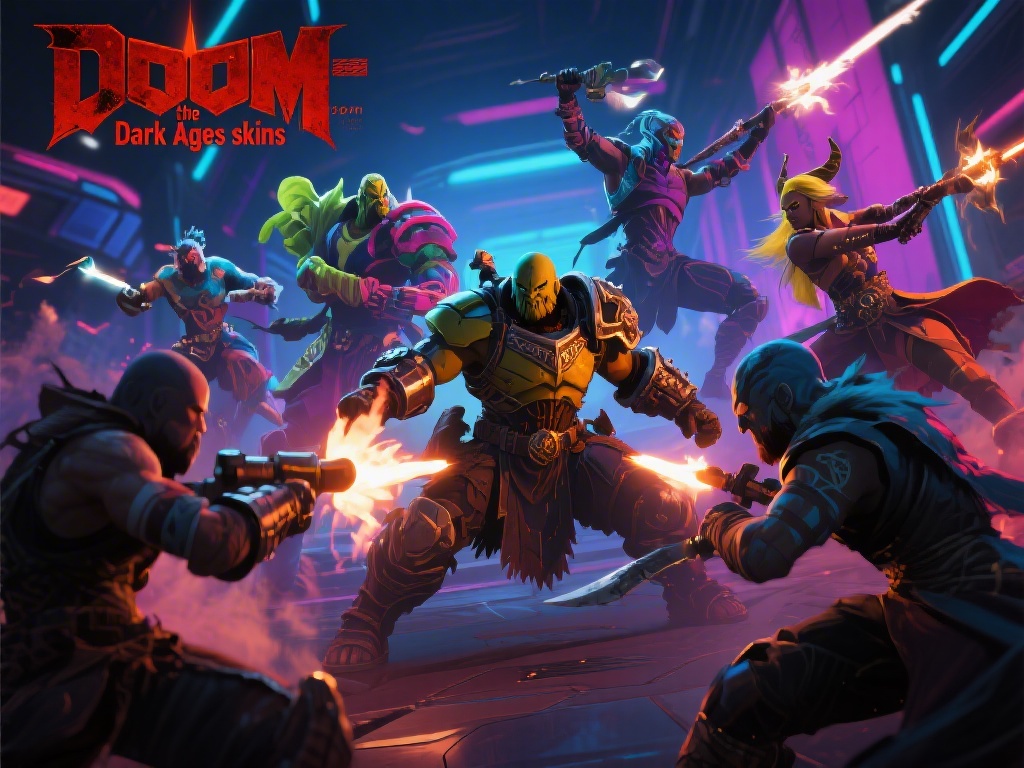
For multiplayer, every unique timeline beat you unlock gives you exclusive cosmetic rewards for PvP and co-op matches. For example, unlocking the secret fourth ending gives you the Ancient Slayer armor set, which is one of the most sought-after cosmetics in the game right now, and can’t be bought with in-game currency or real money. Unlocking the blacksmith’s side quest also gives you a unique crucible weapon skin for multiplayer matches that no other players can access.
Id Software has also confirmed that timeline choices will carry over directly to the first DLC pack dropping in Q4 2026. If you spared the blacksmith in Act 2, he’ll be a core playable NPC in the DLC, giving you exclusive quests and weapon upgrades that other players won’t get. If you unlocked the secret fourth timeline branch, you’ll also get access to a exclusive prequel DLC campaign that’s not available to players who only completed the base main story.
If you play co-op with friends, you’ll also need to make sure all players in your lobby have roughly the same timeline progression to access shared missions. If one player has completed Act 3 and another is still in Act 1, you won’t be able to queue for co-op missions together, since your timeline states don’t match. Most co-op groups I play with agree to progress through acts at the same time to avoid this issue.
At the end of the day, the doom the dark ages timeline is designed to reward both casual players who just want to blast demons, and completionists who want to dig into every bit of lore. Whether you’re playing for the first time in 2026 or doing a second run to unlock the secret ending, taking a little extra time to explore side content and pay attention to story beats will make your playthrough far more rewarding. Don’t stress too much about getting everything right on your first go, though: part of the fun is discovering new parts of the timeline on repeat runs.