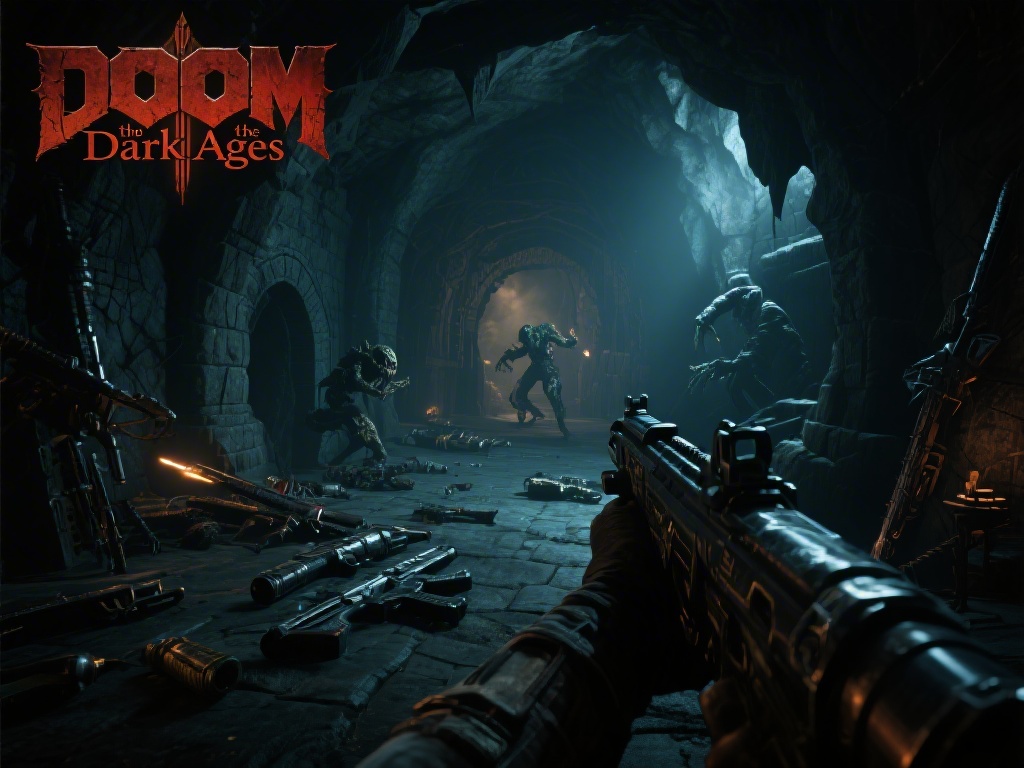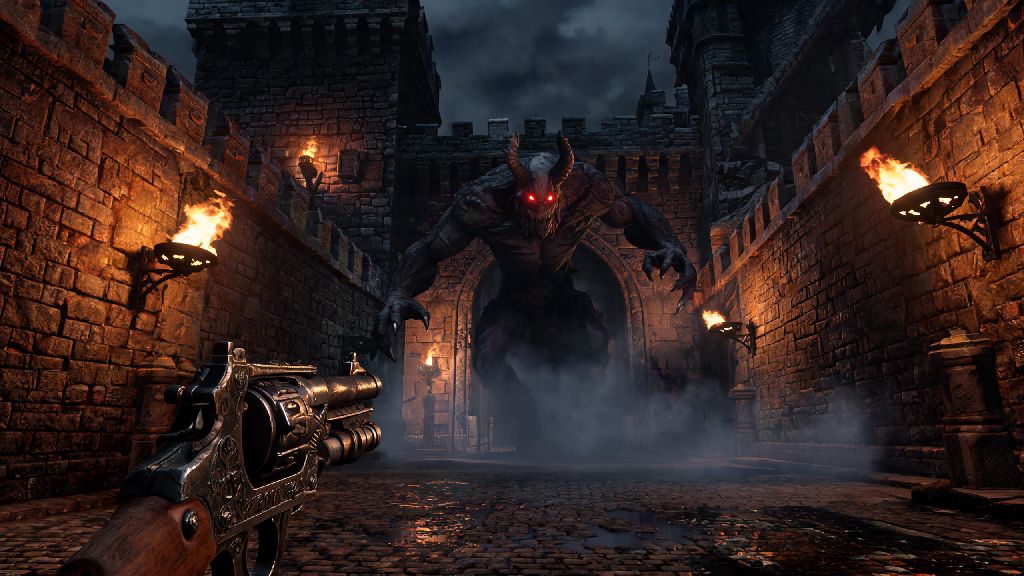
If you’ve sunk even 10 hours into 2026’s hit retro FPS revival Doom The Dark Ages, you’ve probably noticed how many classic fantasy and historical story beats pop up across its campaign. The community’s been pouring over tv tropes doom the dark ages entries for months now, pointing out how many familiar narrative and gameplay tropes the developers wove into the world without making them feel stale. I’ve done three full playthroughs on both standard and ultra-nightmare difficulty, and I’ve picked up on exactly which tropes translate to real gameplay advantages, and which are just fun Easter eggs for long-time Doom and dark age media fans.
Key Narrative Tropes You’ll Spot on TV Tropes Doom The Dark Ages Entries
One of the biggest reasons the game’s community has latched so hard onto its trope references is that they never feel forced. The developers didn’t just throw in random dark age fantasy cliches to fill out the world; they built each trope into the core story and gameplay loops. The "chosen one" subversion is the most obvious example: unlike every other dark age fantasy game where the hero is prophesied to save the world, the Doom Slayer just stumbles into the hell-infested British countryside because he’s chasing demons, no grand destiny required. The "corrupted nobility" trope is another fan favorite, where every local feudal lord made a pact with hell to gain power, leading directly to the apocalypse players are dropped into.
Most of the most discussed tropes on the community pages fall into three core buckets:
What I love most about how the developers handled these tropes is that they never feel like lazy references. For example, the "plague-ridden village" trope you see in almost every dark age fantasy work is used here to explain why hell’s forces were able to take over the region so easily, not just as a throwaway set piece. You can even find hidden journal entries in every village that tie the spread of the hellish plague to specific character choices made by local leaders, adding way more depth than you’d expect from a Doom game.
How Recognizing These Tropes Gives You Gameplay Advantages
You don’t have to read the entire tv tropes page to get something out of noticing these common beats, either. I started picking up on patterns during my second playthrough that saved me dozens of deaths on ultra-nightmare mode. For example, every time you run into the "abandoned church" trope, you can bet there’s a secret super weapon hidden behind a breakable wall near the altar. I used to run straight past these buildings to get to the next fight, but now I always spend 30 seconds checking every corner, and I’ve walked away with BFG ammo or a fully upgraded crucible more times than I can count.
Another easy one to spot is the "traitorous companion" trope that pops up halfway through the second act. Most players get caught off guard by the boss fight that triggers after the betrayal, but if you’re expecting it, you can stock up on rocket ammo and save your invulnerability power up for the fight. I died three times to that boss on my first playthrough because I had no idea it was coming, but on my second run, I beat it first try without even losing half my health. Paying attention to narrative foreshadowing tied to common tropes doesn’t just make the story more fun, it makes hard fights way easier.
If you want to dig deeper into hidden loot locations tied to specific tropes, you can find a regularly updated crowd-sourced list on the official 2026 Doom The Dark Ages community hub. The community adds new finds every week, including a few secret levels I didn’t even know existed until last month.
2026 Post-Launch Updates That Added New Tropes To The Game
A lot of players don’t realize that the two free DLC packs released in early 2026 added even more trope references to the game, including a full side campaign focused on the "knight’s quest" trope. Even the most dedicated tv tropes doom the dark ages editors missed a few of the more obscure references in the DLC until a few weeks ago. The DLC follows a local holy knight who tried to fight back hell’s forces before the Doom Slayer arrived, and it’s packed with references to classic Arthurian legend tropes that fit perfectly with the game’s dark age setting.
One of my favorite additions is the "cursed sword" trope they added with the second DLC. The sword deals 2x damage to all hell enemies, but it drains 1 health point per second while you’re holding it. A lot of players write it off as not worth using, but I’ve found it’s perfect for short, intense arena fights where you don’t need to hold it for more than a minute or two. It’s one of the most underrated weapons in the entire game right now, especially if you pair it with health regeneration runes you can unlock from the new quest line.
The developers also added a bunch of multiplayer tropes with the 2026 PvP update, including the "last man standing" mode that borrows heavily from classic arena FPS tropes that long-time Doom fans will recognize immediately. It’s not as popular as the campaign, but it’s a fun way to kill an hour if you’re done with the main story.
Common Misconceptions About The Game’s Tropes You Should Ignore
As popular as the tv tropes doom the dark ages pages are for Doom The Dark Ages, there are a few widely spread misconceptions that I see pop up over and over again in the comment sections. The biggest one is that all the historical tropes are completely made up. A lot of players assume the developers just picked random dark age cliches to fill the world, but they actually worked with a team of medieval historians to make sure the base setting was as accurate as possible, even if they added hell demons and super weapons on top of it. For example, the village layouts and feudal power structures you see in the game are almost exactly what historians believe existed in 7th century Britain, minus the hell portals.
Another common misconception is that the "doomed village" trope always means there’s no useful loot to find there. I’ve seen players run straight through these villages without stopping, but almost every single one has a hidden rune or upgrade somewhere that you can’t find anywhere else. You just have to check under floorboards and behind broken walls to find them. You don’t have to spend 10 minutes looting every single building, but a quick sweep is almost always worth your time.
The last one I want to call out is the idea that trope references mean the story is unoriginal. I’ve seen a lot of critics say the game relies too much on familiar tropes, but the developers do such a good job of subverting them that it feels fresh anyway. The Doom Slayer isn’t a noble knight here to save the villagers out of the goodness of his heart, he’s just here to kill demons, and that small shift makes all the familiar dark age story beats feel new. It’s a perfect example of how you can use existing tropes well without making your work feel generic.
At the end of the day, whether you’re reading through tv tropes doom the dark ages pages to find hidden Easter eggs or to get a leg up on difficult fights, there’s no denying how much care the developers put into weaving both familiar and fresh tropes into every part of the 2026 release. You don’t have to be a dark age history buff or a long-time Doom fan to enjoy the game, but noticing those little references makes the whole experience feel a lot more rewarding. Next time you boot up a playthrough, keep an eye out for the tropes we talked about, you might be surprised what you find.