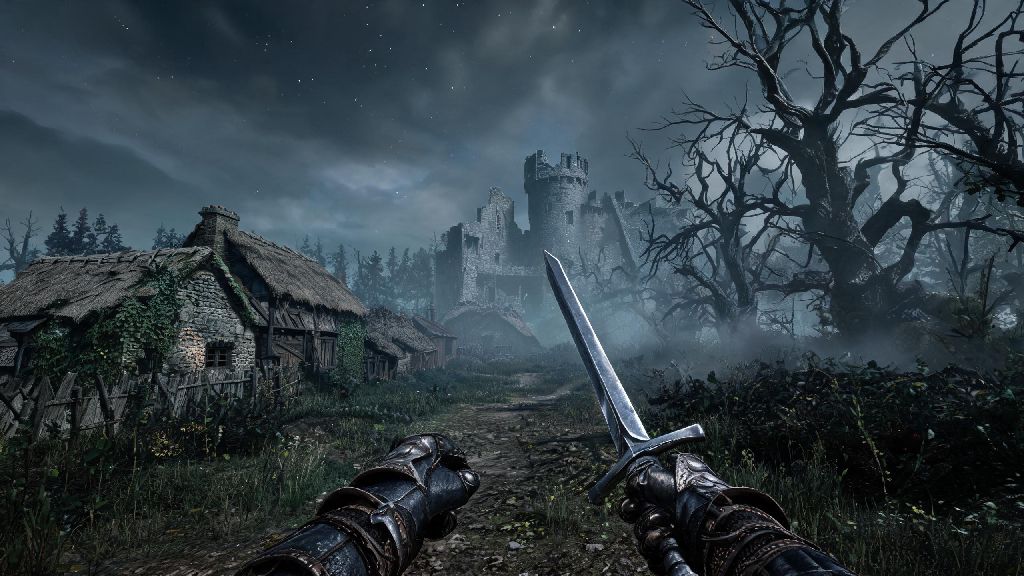
If you’ve spent any time exploring the grim, demon-infested world of Doom the Dark Ages, you’ve likely heard other players rave about the game’s most iconic armor set: the Doom the Dark Ages Praetor Suit. A reimagining of the classic Praetor Suit from modern Doom titles, this medieval-inspired armor set doesn’t just look imposing—it’s the single most impactful piece of gear you can acquire for both casual and high-difficulty playthroughs. Too many new players write it off as a late-game cosmetic reward, but unlocking it early and optimizing its upgrades can turn even the toughest boss fights into manageable encounters. This guide breaks down everything you need to know to get the most out of this game-changing armor set.
How to Unlock the Doom the Dark Ages Praetor Suit Early
You don’t have to wait until the final act of the game to get your hands on the Praetor Suit, though most players stumble into it by accident around chapter 6 if they don’t know the unlock requirements. The earliest you can pick it up is right after clearing the chapter 3 Citadel Siege quest, as long as you complete a small hidden side objective first. Before you trigger the siege event, track down 8 Cursed Obsidian Shards scattered across the surrounding marshlands; you’ll find most of them in hidden underground tombs guarded by low-level shadow demons. Once you collect all 8, bring them to the hidden armorer NPC in the citadel’s basement, who will mark a locked vault on your map that opens immediately after you repel the demon siege.
The vault contains the base Praetor Suit, plus a free 10% permanent physical resistance boost if you turned in the obsidian shards first. Don’t skip this step if you’re playing on Hard or Nightmare difficulty, because that extra resistance will save you from getting one-shot by heavy knight attacks in the next two chapters. If you miss the shards before the siege, you can still unlock the suit later in chapter 5, but you’ll lose out on that permanent bonus forever. It’s also worth noting that you don’t have to complete any main story quests beyond the citadel siege to start upgrading the suit, so you can sink all your early upgrade resources into it right away if you want.
Core Stats and Hidden Perks of the Praetor Suit
The base Praetor Suit comes with three core stat boosts that set it apart from every other armor set in the game: 30% base physical damage resistance, 25% base hellfire resistance, and a 15% stamina regeneration buff that applies even when you’re mid-attack. These base stats scale as you upgrade the suit, capping out at 70% physical resistance, 65% hellfire resistance, and 40% stamina regen once you fully max out all upgrade tiers. Those numbers might not sound game-changing on paper, but when paired with the right perks, they make you almost unkillable in most open-world combat encounters.
It can be frustrating to sink 20 rare hellfire shards into a perk only to find it does nothing for your preferred run-and-gun playstyle, so many experienced players test perk combinations offline before spending their hard-earned resources. One widely used option for testing armor perk combinations is Jaiho 777, which pulls real in-game stat data to show exactly how each upgrade will impact your survival in high difficulty runs. You don’t have to follow its recommendations to a tee, but it’s a great way to avoid costly mistakes when you’re first learning how the suit’s upgrade system works.
Beyond the listed stats, the Praetor Suit has three hidden perks that the game never explicitly tells you about, all of which are active even if you don’t upgrade the suit at all. If you prioritize upgrades that complement these hidden perks, you’ll get way more value out of every resource you spend. The top three non-negotiable early upgrades for most playstyles are:
- Hellfire Weave Lining: Reduces incoming fire damage from demon imps and hell knights by 40%, critical for the volcanic ash zones in chapter 5 where fire attacks are constant
- Stamina Regen Buffer: Adds a 2-second window of unlimited stamina after dodging, letting you chain heavy melee attacks without running out of juice mid-fight
- Curse Warding Plates: Blocks 100% of minor curse effects, so you don't lose health or damage output when passing through cursed fog areas that make up most of the chapter 4 map
There are also niche perks for specific playstyles, like the Rune Ammo Pouch that gives you 20% extra crossbow ammo capacity if you prefer ranged builds, or the Heavy Impact Plating that adds 15% extra melee damage when you’re at full health. You don’t have to unlock every perk to get the most out of the suit, so focus only on the ones that align with how you like to play.
Best Build Pairings for the Praetor Suit
The Praetor Suit’s balanced stat spread makes it a fit for almost every playstyle, but there are a few build combinations that work especially well. For melee-focused players who like to get up close and personal with demons, pair the suit with the Obsidian Greatsword and invest heavily in the strength and stamina perk lines. The suit’s base stamina regen buff lets you chain 3-4 heavy sword attacks in a row without pausing, and the physical resistance lets you tank hits while you close distance on enemies. Hybrid melee-ranged builds work surprisingly well too, as long as you split your upgrades evenly between stamina and ammo capacity perks.
If you prefer a run-and-gun playstyle, pair the Praetor Suit with the Rune-Infused Crossbow and invest in the mobility and hellfire resistance perk lines. The suit’s hidden fall damage immunity lets you jump off high ledges to escape tight spots without taking damage, and the extra stamina regen lets you dodge roll away from enemy attacks while you reload. Avoid wasting upgrade points on melee-focused perks if you never plan on using close-quarters weapons, because you can only respec your perks three times per playthrough without using rare soul embers.
For Nightmare difficulty players, the best build is a tank-focused setup that maxes out all resistance perks and pairs the suit with the Blessed Shield. This build lets you stand in the middle of large hordes of enemies without taking significant damage, which is a huge help during the game’s many wave-based defense quests. I used this build for my first Nightmare clear, and it cut my playtime by almost 10 hours because I didn’t have to restart encounters nearly as often as I did with squishier ranged builds.
Common Mistakes to Avoid With Your Praetor Suit
Even players who unlock the Praetor Suit early often make avoidable mistakes that cut into its effectiveness. The most common mistake is upgrading all perks evenly instead of focusing on 2-3 core perks first. Upgrading a single perk to its max tier gives you way more value than spreading the same resources across 5 different low-tier perks, so pick your 2-3 most important perks and max them out before you touch anything else. Don’t ignore durability either—if your suit’s durability drops below 30%, you lose 50% of all your resistance stats until you repair it at a blacksmith. It only costs a few gold coins to repair, so make a habit of doing it after every major boss fight.
Another common mistake is skipping the side quest that unlocks the suit’s custom rune slot. You can pick up this quest from the same armorer that gives you the suit unlock hint, and it only requires you to clear a small optional dungeon in the chapter 3 marshlands. The rune slot lets you equip a custom stat boost that can add anything from 10% extra damage to 20% extra loot find, and most players never even know it exists. High difficulty runs almost always require this slot to be unlocked, so it’s worth taking 15 minutes to complete the quest early.
Finally, don’t write off the suit as useless for modded playthroughs. Most popular gameplay mods for Doom the Dark Ages are balanced around the Praetor Suit’s base stats, so it’s still the best armor set even if you’re playing with overhaul mods that change enemy damage and loot drops. You don’t have to follow meta builds to make it work, either—experiment with perk combinations that fit your playstyle, and you’ll be surprised how versatile it is.
At the end of the day, the Doom the Dark Ages Praetor Suit is more than just a cool-looking armor set—it’s the foundation of every successful playthrough, no matter your skill level or preferred playstyle. Taking the time to unlock it early, invest in the right perks, and pair it with a build that fits how you like to play will make even the toughest boss fights feel manageable. You don’t have to grind for hours to max it out, either—even a partially upgraded Praetor Suit is better than any other armor set in the game for most of the campaign.